


12 July 2022
SAS operatives in Afghanistan repeatedly killed detainees and unarmed men in suspicious circumstances, according to a BBC investigation.
Newly obtained military reports suggest that one unit may have unlawfully killed 54 people in one six-month tour.
The BBC found evidence suggesting the former head of special forces failed to pass on evidence to a murder inquiry.
The Ministry of Defence said British troops “served with courage and professionalism in Afghanistan”.
The BBC understands that General Sir Mark Carleton-Smith, the former head of UK Special Forces, was briefed about the alleged unlawful killings but did not pass on the evidence to the Royal Military Police, even after the RMP began a murder investigation into the SAS squadron.
General Carleton-Smith, who went on to become head of the Army before stepping down last month, declined to comment for this story.
BBC Panorama analysed hundreds of pages of SAS operational accounts, including reports covering more than a dozen “kill or capture” raids carried out by one SAS squadron in Helmand in 2010/11.
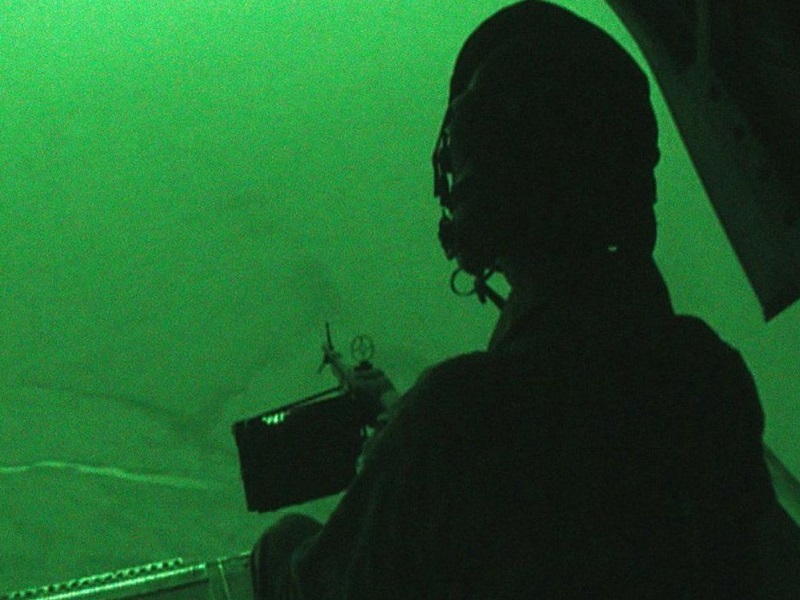
Individuals who served with the SAS squadron on that deployment told the BBC they witnessed the SAS operatives kill unarmed people during night raids.
They also said they saw the operatives using so-called “drop weapons” – AK-47s planted at a scene to justify the killing of an unarmed person.
Several people who served with special forces said that SAS squadrons were competing with each other to get the most kills, and that the squadron scrutinised by the BBC was trying to achieve a higher body count than the one it had replaced.
Internal emails show that officers at the highest levels of special forces were aware there was concern over possible unlawful killings, but failed to report the suspicions to military police despite a legal obligation to do so.
The Ministry of Defence said it could not comment on specific allegations, but that declining to comment should not be taken as acceptance of the allegations’ factual accuracy.
An MOD spokesperson said that British forces “served with courage and professionalism” in Afghanistan and were held to the “highest standards”.

