


13 May 2022
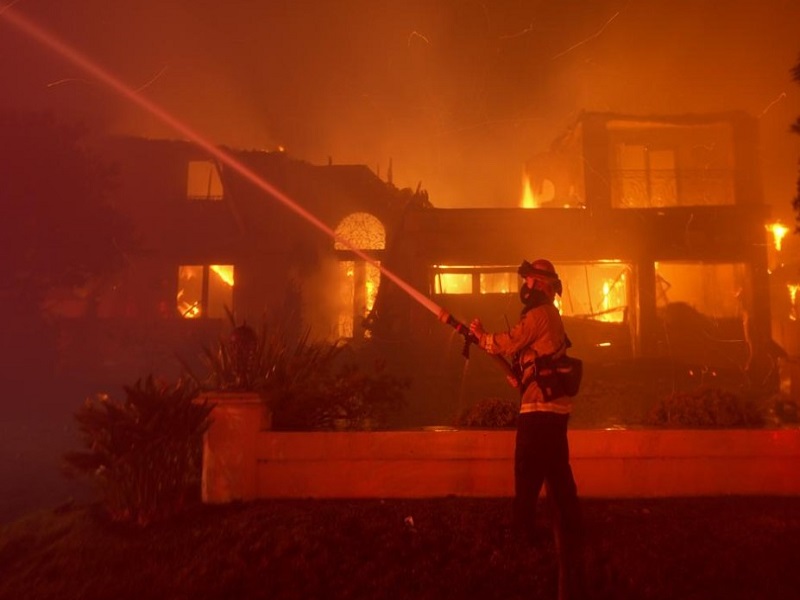
Wildfires are on a furious pace early this year — from a California hilltop where mansions with multimillion-dollar Pacific Ocean views were torched to remote New Mexico mountains charred by a month-old monster blaze.
The two places could not be more different, but the elements in common are the same: wind-driven flames have torn through vegetation that is extraordinarily dry from years-long drought exacerbated by climate change.
As the unstoppable northern New Mexico wildfire chewed through more dense forest Thursday, firefighters in the coastal community of Laguna Niguel doused charred and smoldering remains of 20 large homes that quickly went up in flames and forced a frantic evacuation.
“The sky, everything was orange. It looked like an inferno, so we just jumped in the car,” Sassan Darian said, as he recounted fleeing with his daughter and father while embers swirled around them. “My daughter said, ‘We’re on fire.’ There were sparks on her and we were patting ourselves down.”
Nationwide, more than 2,000 square miles (5,180 square kilometers) have burned so far this year — the most at this point since 2018, according to the National Interagency Fire Center. Predictions for the rest of the spring do not bode well for the West, with the drought and warmer weather brought on by climate change worsening wildfire danger.
Source AP

