


12 December 2018|04 Rabi ul Aakhir| Zahir Bassa
In our last article we covered calories, what they are and how to calculate your calories when consuming your daily caloric intake. We also looked at how to lose weight by simply burning more calories than you consume on a daily basis. Now that we have that out the way let’s talk about Protein. I’m sure many of us are familiar with the term and it has a positive link to the word but let’s delve a little deeper and see what proteins are and the different forms of protein which we consume.
Protein is a nutrient in the body which plays a role in muscle growth and maintenance of the human body. Aside from water, proteins are the most abundant kind of molecules in the body. Protein can be found in all cells of the body and is the major structural component of all cells in the body, especially muscle. This also includes body organs, hair and skin. Proteins are also used in membranes, such as glycoproteins. When broken down into amino acids, they are used as precursors to nucleic acid, co-enzymes, hormones, immune response, cellular repair, and other molecules essential for life. Additionally, protein is needed to form blood cells.
They are one of the building blocks of body tissue and can also serve as a fuel source. As a fuel, proteins provide as much energy density as carbohydrates: 4 kcal (17 kJ) per gram; in contrast, lipids provide 9 kcal (37 kJ) per gram.
The most important aspect and defining characteristic of protein from a nutritional standpoint is its amino acid composition.
What are amino acids you may ask? They are the building blocks of protein; they consist of the carbon, oxygen, hydrogen and nitrogen elements. There are nine essential amino acids which humans must obtain from their diet in order to prevent protein-energy malnutrition and resulting death. They are phenylalanine, valine, threonine, tryptophan, methionine, leucine, isoleucine, lysine, and histidine. Now before you start stressing and asking what all these names mean, all you have to know is that these amino acids are what the body synthesizes in order for there to be growth and for the body to function normally on a day to day basis.
Protein is an essential macro-nutrient, which is crucial for promoting satiety and building muscle mass. A diet rich in proteins is essential for maintaining a healthy weight and also keeping those extra kilos off. Proteins help in building lean muscle and may also help you keep fat from accumulating. This nutrient is also important for curbing hunger pangs and keeping your energy levels up. In health and nutrition literature, the benefits of a diet rich in protein are repeated again and again and loud enough for all of us to internalise. The recommended daily allowance of protein is 0.8 grams per kg of your body weight and 1.5 grams of protein per kg if you want to gain lean muscle as a bodybuilder/sculptor. However, eating unscrupulous amounts of protein is not going to help you bulk up or lose weight. It’s important to be mindful of the quantity of protein you include in your daily diet, and also keep a check on how fattening or low calorie is your source of protein.
A number of protein-rich foods may actually end up causing weight gain, due to the presence of excessive fats or added sugars in them. So you should take into consideration all the nutritional facts about any protein-rich food before adding it to your diet. You may consume fatty protein-rich foods, but make sure you keep the portions in check, in order to avoid gaining weight.
Okay! So we have all those terms and jargon out the way let’s talk about the diet of an individual and how you should incorporate protein into it. For the average man, daily caloric intake is roughly 2000 calories (kcal) per day and for an average female it’s roughly around 1500 calories (kcal) per day. For gents who tend to go big and take bodybuilding seriously they push more protein in their meals and go with the method of eating 5-6 small meals per day containing 20-30 grams of protein per meal with addition of 50-100 grams of carbs per meal and fats spaced out with the meals, and I mean healthy fats (avocado, nuts, extra virgin olive oil)
I personally cannot eat so many meals a day so I incorporate meals that add up to 100-120 grams of protein over 2-3 meals (inclusive of whey protein powder). I do this and I stick to an intermittent fasting regime over 5 times during the week (I will discuss intermittent fasting in later articles In Sha Allah).
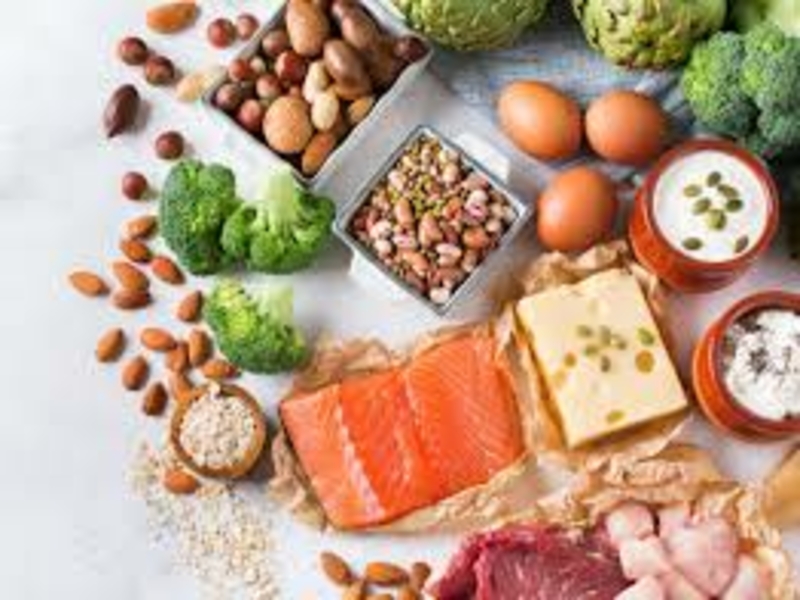
Foods that are high in protein include:
1. Eggs – Protein content: 35% of calories in a whole egg. 1 large egg has 6 grams of protein, with 78 calories.
2. Almonds – Protein content: 13% of calories. 6 grams per ounce (28 g), with 161 calories.
3. Chicken Breast – Protein content: 80% of calories. 1 roasted chicken breast without skin contains 53 grams, with only 284 calories.
4. Oats – Protein content: 15% of calories. Half a cup of raw oats has 13 grams, with 303 calories.
5. Cottage Cheese – Protein content: 59% of calories. A cup (226 g) of cottage cheese with 2% fat contains 27 grams of protein, with 194 calories.
6. Greek Yogurt – Protein content: Non-fat Greek yogurt has protein at 48% of calories. One 6-ounce (170-gram) container has 17 grams of protein, with only 100 calories.
7. Milk – Protein content: 21% of calories. 1 cup of whole milk contains 8 grams of protein, with 149 calories.
8. Broccoli – Protein content: 20% of calories. 1 cup (96 grams) of chopped broccoli has 3 grams of protein, with only 31 calories.
9. Lean Beef – Protein content: 53% of calories. One 3-ounce (85 g) serving of cooked beef with 10% fat contains 22 grams of protein, with 184 calories.
10. Fish – Protein content: Highly variable. Salmon is 46% protein, with 19 grams per 3-ounce (85 g) serving and only 175 calories.
Now that you have an idea of what the different types of macronutrients are in protein, we will now chat about supplements/micronutrients that contain protein and amino acids that are used in gym or even when you’re on the go. When we hear of the term protein shakes, many boys will go mad and they automatically think Muscles! Muscles! Muscles! Yes that may be the case if you do want to get muscles but we need to be careful on what protein shakes we purchase and what are our goals by taking them.
If you want to build lean muscle, which is muscle without excess fat attached, then the best protein to purchase is whey protein. Whey protein comes in two main forms, concentrate and isolate. They are absorbed at different rates in the body. Whey protein isolate is a bit more expensive than the usual concentrate whey, and this is due to the ultra-filtration process it undergoes which results in whey protein isolate being absorbed by the body rapidly.
Protein shakes with high carbohydrate content is used in the “bulking” phase and this is to pick on mass, there will be weight distributed but it will not give you the lean, aesthetic look that most men/women want to achieve so be very wary when purchasing your protein shakes. Just bear in mind that low carbs and fats in the protein shakes is a yes. Also remember that protein shakes may be advertised as meal replacements, but ultimately it is good old CLEAN FOOD prepared at home which is the key to a diet in achieving the goals that you need. This should always be remembered.
So there you have it, I hope you have gained sufficient insight into protein and what they are and the different types of food you can go out there and purchase on your path to the body you always dreamed of. Yes it may be the festive season, so we will let loose a little but always remember, moderation is key. Now go out there and get your grocery list sorted out but always make the right food choices.
WRITTEN BY: ZAHIR BASSA 
Zahir Bassa is a radio presenter based in Durban, KZN. He Co-hosts the popular breakfast show with fellow presenter Muhammad Sheik. Zahir is also a photographer and videographer. In his spare time Zahir like going to gym, taking walks in the park and building sand castles. His favourite animal is the Unicorn

